Rooted Entrepreneurs LLC's pick · Updated October 2026
Jackery HomePower 3600 Plus and Extra Battery & 2x200W
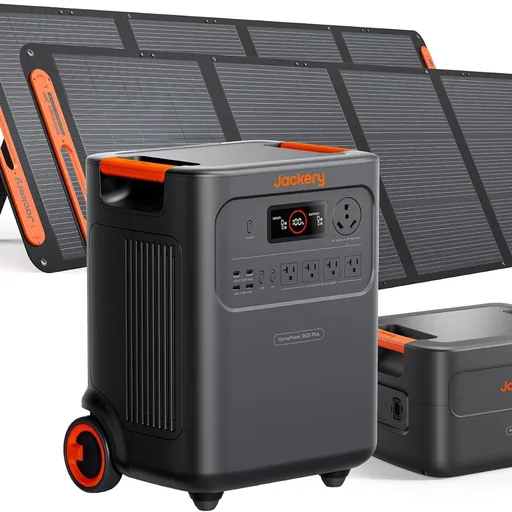
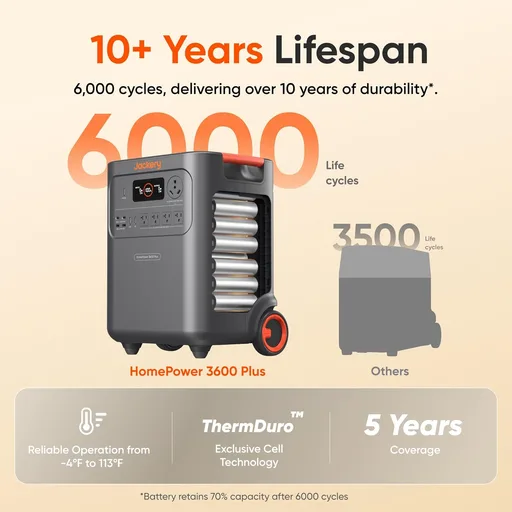
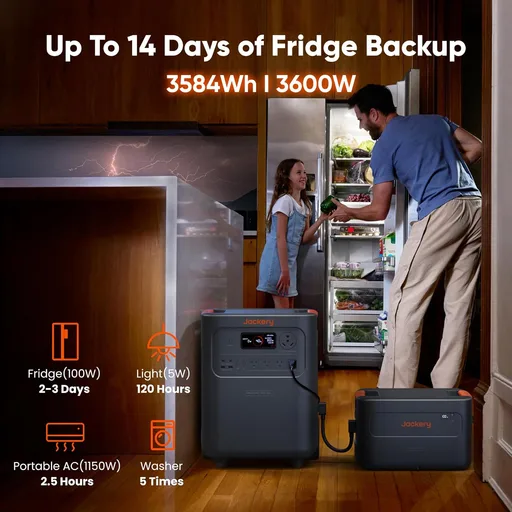
A system like this is for a buyer who cares more about backup capacity and output than about portability. The listed 7168Wh capacity and 3600W output put it in a category that may suit home backup planning, jobsite support, or a larger off-grid setup where smaller power stations would run out of headroom too quickly. It is the kind of product people compare when they want to keep more than a phone or laptop alive, and when they need to think about how long the battery can carry a real load rather than just how many outlets it has.
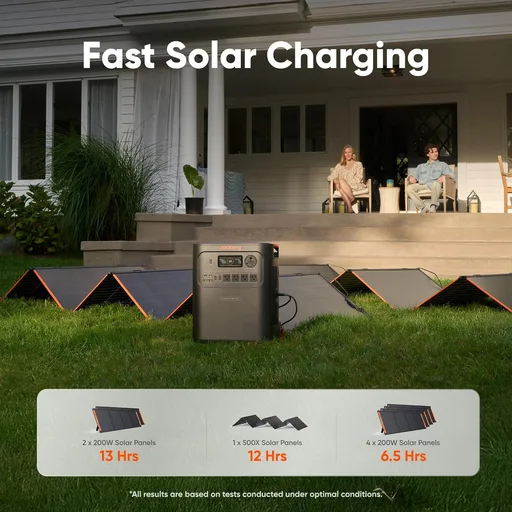
The main reason to consider it is the combination of the base unit, the extra battery, and the included 2x200W panels in one bundle. That combination suggests a purchase built around preparedness, not around casual camping use. If the solar side is important, the panel wattage and charging conditions are worth checking closely, because real-world charging depends on sun quality, panel placement, and how much power the connected loads are drawing at the same time. For some buyers, the appeal will be having one package that already points toward storage and replenishment instead of forcing separate purchases later.
The key tradeoff to verify is size and setup. A system at this scale is not usually something you tuck under a desk or move around without thought. Before buying, confirm where it will sit, whether the total weight and footprint work for your space, and how you plan to connect it during an outage or a daily use case. It is also worth checking the charging inputs, transfer behavior, and any compatibility details that matter for your appliances or backup plan, since power stations can differ a lot in how they handle real household loads.
Because there are no usage notes here, the evidence posture has to stay modest. The title gives the broad outline, but it does not tell you how the system performs under sustained load, how fast it recharges in practice, how loud it gets, or how intuitive the controls feel. Those are the things to research before deciding, especially on a product aimed at backup power. Capacity and wattage numbers matter, but they do not by themselves tell you whether the experience will be easy or awkward for your specific setup.
This may fit someone building a more serious backup plan and wanting a single system with room to grow. It could also suit a buyer who wants solar-compatible storage and is willing to pay attention to placement, charge times, and load management. If your needs are lighter, a smaller unit may be easier to live with. If your needs are bigger, this looks like the sort of system worth a careful comparison rather than an impulse buy.
Some Amazon links are affiliate links. Rooted Entrepreneurs LLC may earn a commission from qualifying purchases at no extra cost to you. As an Amazon Associate I earn from qualifying purchases.
See current price