Rooted Entrepreneurs LLC's pick · Updated October 2026
4WD Remote Control Mower
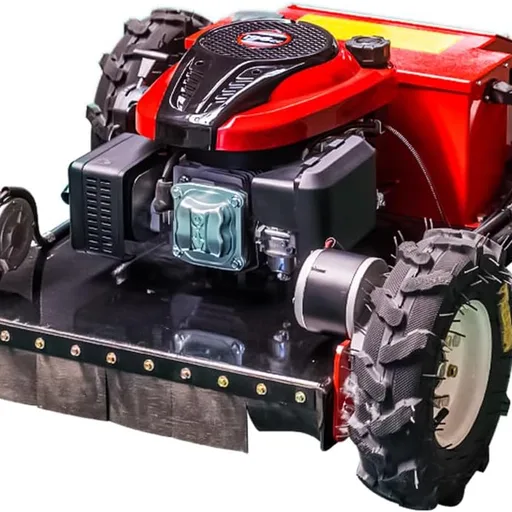

A remote-controlled mower like this is mainly for landowners dealing with rough, sloped, or awkward grass areas where pushing a mower around is tiring or inefficient. The all-terrain idea makes the most sense when the mowing job is less about a neat suburban lawn and more about reaching places that would be annoying, steep, or risky with a walk-behind machine.
The main reason someone may consider it is simple: remote operation changes the job. Instead of standing behind the machine the whole time, the operator can stay at a safer distance while handling spots that are hard to access. That can matter on embankments, drainage edges, orchards, larger properties, or open ground where a standard mower would take more effort than it is worth. The gas-powered setup also suggests it is aimed at longer sessions and remote areas where charging access may not be practical, but that is something to confirm against the actual run time, fuel use, and maintenance needs.
A 21.65 inch cutting width is another useful clue. It is not tiny, but it is also not a wide commercial deck, so it may be a better fit for people who want maneuverability more than maximum coverage per pass. The 4WD design should also be checked in context. Four wheel drive can help with traction on uneven ground, but the real question is how steep the mower can safely handle, what the remote range is, and whether the controls feel precise enough for the terrain you actually have.
One limitation to verify is service and parts support. A remote-controlled gas mower is more specialized than a standard rider or push mower, so buyers should look closely at replacement blades, drive components, battery or remote replacement options, and how easy routine maintenance is to perform. Noise level, storage space, and whether the machine is intended for grass only or mixed terrain are also worth checking before buying.
The evidence here is thin because the listing title is doing most of the work. That means the sensible approach is to read this as a category fit guide, not as proof of performance. The useful next step is to compare the slope rating, cutting height range, remote distance, runtime or fuel consumption, and weight against the property it is meant to serve.
This may fit someone who needs to cut difficult ground without walking behind the mower the whole time and who is willing to spend a little time researching the practical details before choosing. If the property is steep, uneven, or time-consuming with a regular mower, this kind of machine could be worth a closer look. If the yard is small and flat, it is probably more mower than you need.
Some Amazon links are affiliate links. Rooted Entrepreneurs LLC may earn a commission from qualifying purchases at no extra cost to you. As an Amazon Associate I earn from qualifying purchases.
See current price